Why Should You Start a Microbakery?
The case for turning the thing you already bake every weekend into a small, real business.
At some point, most people who bake a lot hear the same sentence: "You should sell these." It usually comes from a neighbor holding a slice of your banana bread, and it's easy to laugh off. But a microbakery, meaning a small baking business run out of your own home kitchen rather than a commercial space, is a genuinely realistic thing to build. Not a bakery with a lease and a 3 a.m. crew. Just you, a home oven, a handful of products you make well, and a customer list that grows one loaf at a time. This guide walks through why people start one, what the honest tradeoffs are, and how to tell if you're ready.
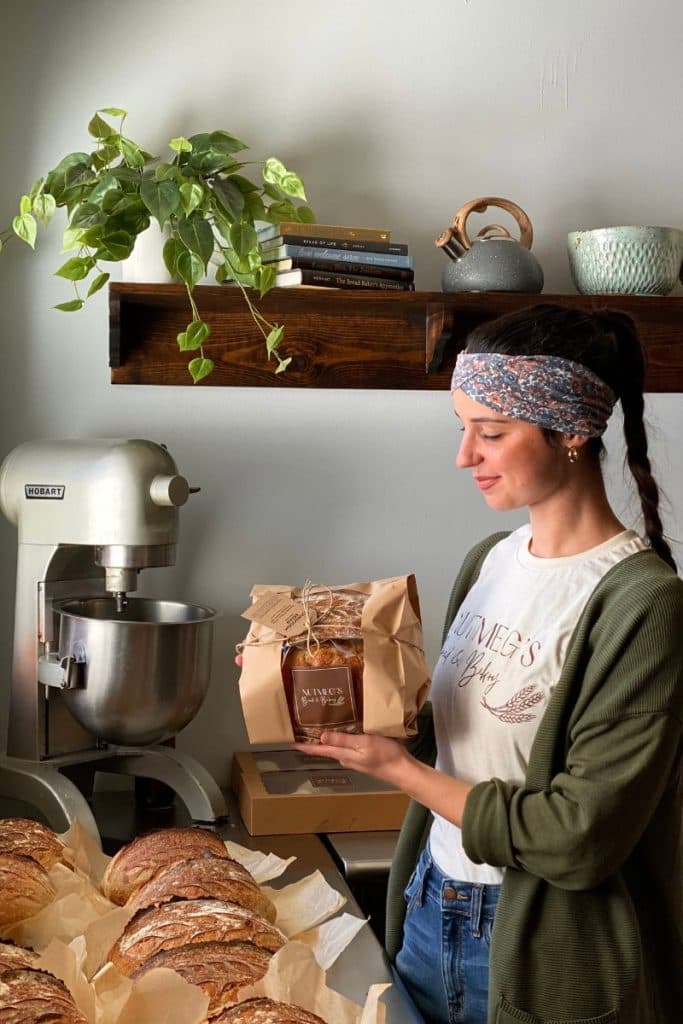
What a Microbakery Actually Is
A microbakery is small on purpose. Most operate under cottage food laws, the state-by-state rules that let you sell certain shelf-stable baked goods made in a home kitchen without a commercial license. The specifics vary a lot, so your state's cottage food regulations are the first thing to look up, but in general breads, cookies, muffins, and most frosted layer cakes qualify, while anything requiring refrigeration (cheesecakes, custard pies, cream fillings) often does not.
The scale is usually something like a single bake day a week, a set menu of three to six items, and orders taken in advance so you're never baking on speculation. That last part is the real structural advantage over a storefront bakery: you know exactly what to make before you turn the oven on, so there's no display case of unsold pastries at closing time.
Reason One: The Demand Is Already Sitting There
This isn't a market you have to invent. Roughly 65% of households say they'd rather get their bread and treats from a home baker than off a grocery store shelf. People are actively looking for the thing you already make, and in most neighborhoods nobody is offering it. A grocery store sandwich loaf and a still-warm loaf of your sourdough are not really competing products, and your customers know it.
It also means your marketing job is smaller than you think. You're not convincing anyone that homemade is better. You're just letting people know it's available nearby.
Reason Two: The Startup Cost Is Genuinely Low
Almost every other small business asks you to spend real money before you earn any. A cottage bakery mostly asks you to use what you already own. The oven, the mixer, the sheet pans, and the skills are already in your kitchen. What you add on top is fairly small.
- Ingredients for your first round of orders, which customers have usually already paid for
- Packaging: bags, boxes, labels, twine
- A food handler's card or cottage food permit, depending on your state (often under $100)
- A scale, if you don't already weigh ingredients
- Some way for people to see your menu and place an order
That last line is where most new bakers lose the most time, usually by stitching together a website, a payment processor, a spreadsheet, and a phone full of DMs. Tools built for this, like Homebaked, get a storefront live in about five minutes with no hosting to set up, which matters when the whole point is to test the idea before you've sunk a month into it.
Reason Three: You Can Start Absurdly Small
You do not have to quit anything. A micro bakery scales down to whatever fits your life, and plenty of them stay at eight loaves a week forever because that's what the baker wanted. Here's what a slow, low-risk start usually looks like.
- 1Read your state's cottage food law and make a list of what you're allowed to sell.
- 2Pick two or three products you can make consistently, without thinking hard, at double your usual batch size.
- 3Bake them for friends and neighbors for free once or twice and pay attention to what disappears fastest.
- 4Price them properly by adding up ingredients, packaging, and your time, then setting the price above that number rather than at it.
- 5Take orders from ten people for one bake day. Bake, hand off, and see how the day actually felt.
- 6Repeat weekly, and only add a product or a customer when the current load feels easy.
Step five is the one that answers the question this article is asking. One real bake day tells you more about whether you want this than a month of planning will.
Reason Four: The Money Is Real, Even If Small
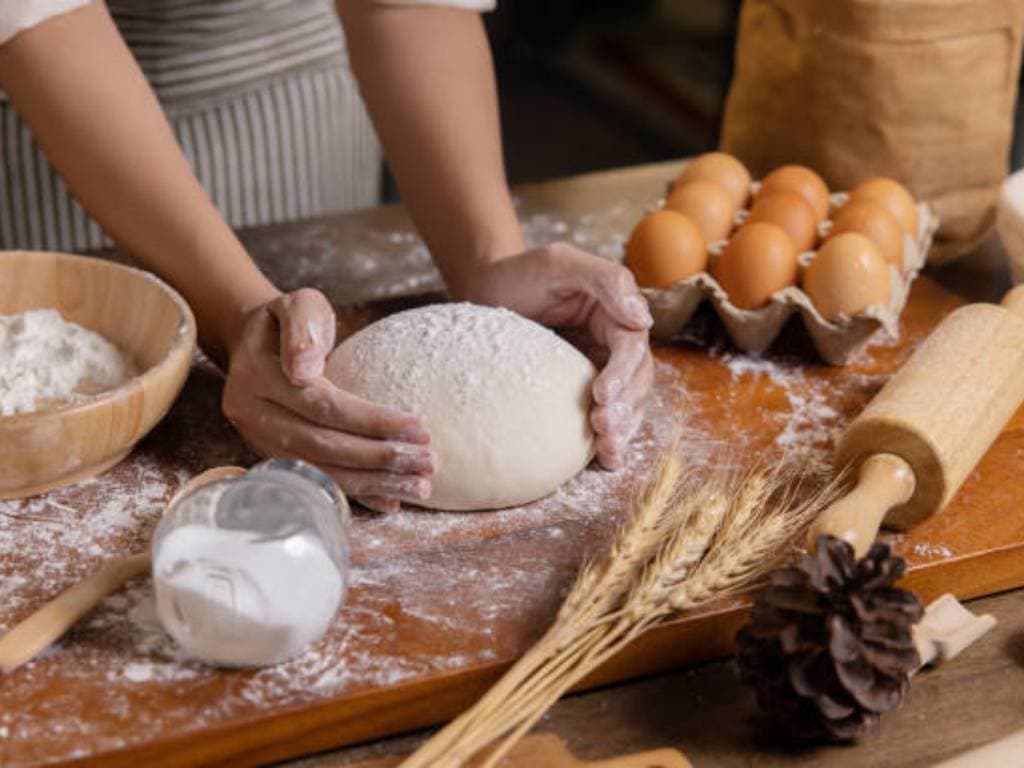
Twelve loaves a week at $10 each is $480 a month in revenue, and after ingredients you're likely keeping somewhere between half and two-thirds of that, depending on your flour costs and packaging. That's not a salary. It is a car payment, a grocery budget, or the thing that turns an expensive hobby into one that pays for itself and then some.
The bakers who grow past that number usually do it by adding a farmers market table or a standing wholesale order with a local coffee shop, not by baking more variety. Depth beats breadth here. Being the person in town who makes one exceptional thing is a much better position than being the person who makes twenty decent ones.
Reason Five: It Puts You Back in Your Neighborhood
This part is harder to put on a spreadsheet, but ask anyone running a home bakery and it comes up first. You end up knowing which neighbor is gluten free, whose kid has a birthday in March, which house wants the darker bake. You become a small fixture on your street in a way that's genuinely rare now. A lot of people start for the income and stay for this.
The Honest Downsides
It would be a disservice to only make the case for it. Here's what people find hard.
- Your kitchen stops being just your kitchen on bake day, and the cleanup is real
- Hobby baking becomes deadline baking, and some people find that the joy drains out of it
- Cottage food laws cap what you can sell and sometimes where you can sell it, so your ceiling is set by your state, not your ambition
- The administrative side (tracking who ordered what, chasing payments, sales tax) can quietly take longer than the baking
- Pricing feels uncomfortable at first, and undercharging is the single most common mistake new bakers make
The admin one is worth planning for rather than absorbing. Once orders are coming in by text, DM, and email at once, something has to hold it together. Homebaked pulls all of those messages into a single thread and calculates and files sales tax automatically, which removes the two chores most likely to make a promising home bakery feel like a second job. Another benefit to Homebaked: it charges no order fees to you or your customer, so what you charge is what you get!
How to Tell If You're Ready
You don't need a business plan. You need honest answers to a few questions.
- Can you make your best item the same way twice in a row without a recipe card in front of you?
- Do you enjoy the baking itself, or mostly the reaction when people eat it? (Both are fine, but the first one sustains a bake day better.)
- Do you have a four-to-six hour block once a week you could reliably protect?
- Does your state's cottage food law cover what you want to sell?
- Are you willing to charge a price that makes it worth your time, even when the customer is a friend?
If most of those are a yes, the next move isn't research. It's picking a Saturday, telling ten people you're baking, and finding out what it feels like. Nearly everyone running a small bakery out of their home started exactly there, with one bake day and a stack of paper bags they weren't sure they'd need.